
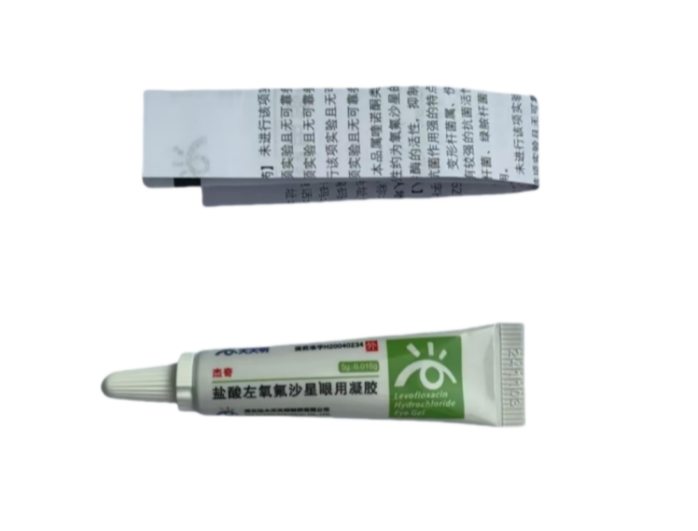
Levofloxacin eye gel is commonly used for certain eye infections in people with eitherconjunctivitis or a corneal ulcer. Conjunctivitis is a condition where part of your eye is inflamed sometimes from bacteria. A corneal ulcer is a wound on part of your eye (cornea) that can be caused by bacteria.
Levofloxacin eye gel gel may not be appropriate for some of the infections listed above, depending on which germs are causing the infection. Bacteria in some locations may have developed resistance to levofloxacin eye gel, which will make it not work as well.
Levofloxacin eye gel may also be used for other conditions as determined by your health care provider.
Levofloxacin eye gel kills certain types of bacteria by disrupting their ability to create and repair their DNA.
Dosage forms and strengths
Levofloxacin eye gel should be stored at room temperature between 68 F to 77 F (20 C to 25 C). Some levofloxacin eye gel products can be stored at temperatures down to 59 F (15 C). Ask your pharmacist if you are unsure how to store your levofloxacin eye gel product.
The most common side effects of levofloxacin eye gel are listed below. Tell your health care provider if you have any of these side effects that bother you.
There may be other side effects of levofloxacin eye gel that are not listed here. Contact your health care provider if you think you are having a side effect of a medicine.
While less common, the most serious side effects of levofloxacin eye gel are described below, along with what to do if they happen.
Severe Allergic Reactions. Levofloxacin eye gel may cause allergic reactions, which can be serious. Stop using levofloxacin eye gel and get help right away if you have any of the following symptoms of a serious allergic reaction.
Another Infection With Prolonged Use. Using levofloxacin eye gel for a long period of time may lead to an infection with other types of germs, such as fungi. Only use this medicine for the time you are told by your health care provider. Call your health care provider if your eye infection does not improve or gets worse.
Allergies to Ingredients. People who are allergic to any of the following should not use levofloxacin eye gel.
Your pharmacist can tell you all of the ingredients in the specific levofloxacin eye gel products they stock.
Do not use levofloxacin eye gel unless it has been prescribed to you by a health care provider. Use it as prescribed.
Do not share levofloxacin eye gel with other people, even if they have the same condition as you. It may harm them.
Keep levofloxacin eye gel out of the reach of children.
Levofloxacin eye gel should only be applied to the surface of the eye. Ask your pharmacist if you are unsure how to use levofloxacin eye gel.
Do not wear contact lenses while your eye infection is being treated with levofloxacin eye gel. Talk to your health care provider about when you can safely start wearing contact lenses again after your eye infection is treated.
Tell your health care provider about all of your health conditions and any prescription or over-the-counter (OTC) medicines, vitamins/minerals, herbal products, and other supplements you are using. This will help them determine if levofloxacin eye gel is right for you.
In particular, make sure that you discuss any of the following.
Pregnancy. It is not known if or how levofloxacin eye gel could affect pregnancy or harm an unborn baby. Tell your health care provider if you are or plan to become pregnant. Your health care provider will advise you if you should use levofloxacin eye gel while you are pregnant or trying to get pregnant.
Breastfeeding. It is not known if levofloxacin eye gel passes into breast milk. Tell your health care provider if you are breastfeeding or plan to breastfeed. Your health care provider will advise you if you should use levofloxacin eye gel while breastfeeding.
There are no known interactions between levofloxacin eye gel and foods or drinks.
There are no known interactions between levofloxacin eye gel and alcohol, but heavy drinking can slow your immune response and make it harder for your body to fight infection.
There are no known interactions between levofloxacin eye gel and other medicines. Always tell your health care provider about any prescription or over-the-counter (OTC) medicines, vitamins/minerals, herbal products, and other supplements you are using.


