
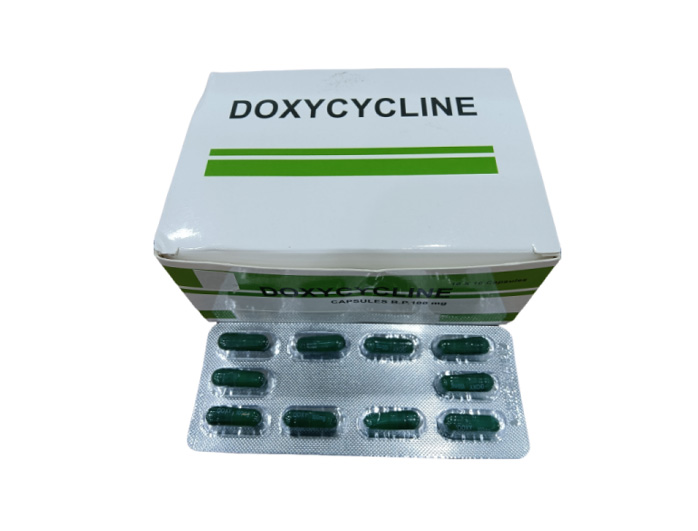
Doxycycline is an antibiotic that is commonly used to prevent malaria, improve tooth attachment and reduce gum pockets in people who have a dental procedure called scaling and root planing for gum disease (periodontitis), and treat the following infections caused by certain bacteria.
Infections from tick bites, including Rickettsial diseases
Certain sexually transmitted infections (STIs)
Respiratory tract infections, such as bronchitis, pneumonia, or sinusitis
Certain eye infections (e.g,. trachoma, inclusion conjunctivitis)
Severe acne
An infection called plague
An infection called cholera
An infection called anthrax
Certain infections spread from animals
Certain infections when penicillin cannot be used
Specific infections caused by parasites
Doxycycline may not be appropriate for some of the infections listed above, depending on which germs are causing the infection. Bacteria in some locations may have developed resistance to doxycycline, which will make it less effective.
Doxycycline may also be used for other conditions as determined by your healthcare provider.
Doxycycline kills certain types of bacteria by blocking their ability to create proteins. Doxycycline also works against the parasite that causes malaria, but the exact mechanism of action is not known. Doxycycline may help to prevent the breakdown of gum tissue.
Doxycycline is available as Acticlate, Doryx, Doryx MPC, Monodox, Vibramycin, and generic doxycycline in the following dosage forms that are taken by mouth.
Doxycycline should be stored at room temperature, between 68 F to 77 F (20 C to 25 C). It can be exposed to temperatures between 59 F to 86 F (15 C to 30 C), for shorter periods of time, such as when transporting it. Keep tightly closed. Protect from light.
The most common side effects of doxycycline are listed below. Tell your healthcare provider if you have any of these side effects that bother you.
Allergies to Ingredients. People who are allergic to any of the following should not use doxycycline.
Your pharmacist can tell you all of the ingredients in the specific doxycycline products they stock.
Do not take doxycycline unless it has been prescribed to you by a healthcare provider. Take it as prescribed. Taking doxycycline in a way other than it was prescribed may increase the chance that bacteria will develop resistance to doxycycline. This may make doxycycline or other antibiotics not work as well in the future. Only take doxycycline for an infection if your healthcare provider has prescribed it for this reason.
Do not share doxycycline with other people, even if they have the same condition as you. It may harm them.
Keep doxycycline out of the reach of children.
Tell your healthcare provider about all of your health conditions and any prescription or over-the-counter (OTC) medicines, vitamins/minerals, herbal products, and other supplements you are taking. This will help them determine if doxycycline is right for you.
In particular, make sure that you discuss any of the following.
Current and Past Health Conditions. Tell your healthcare provider if you have any of the following.


