
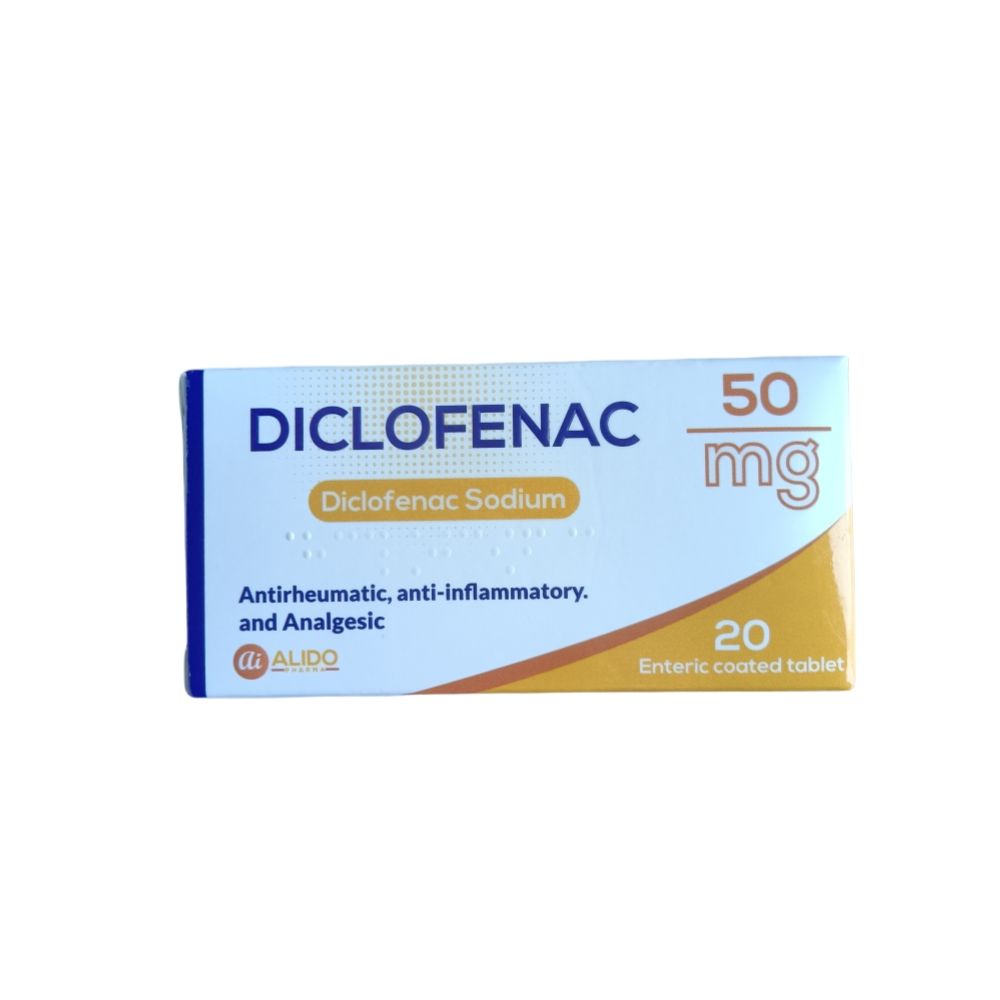
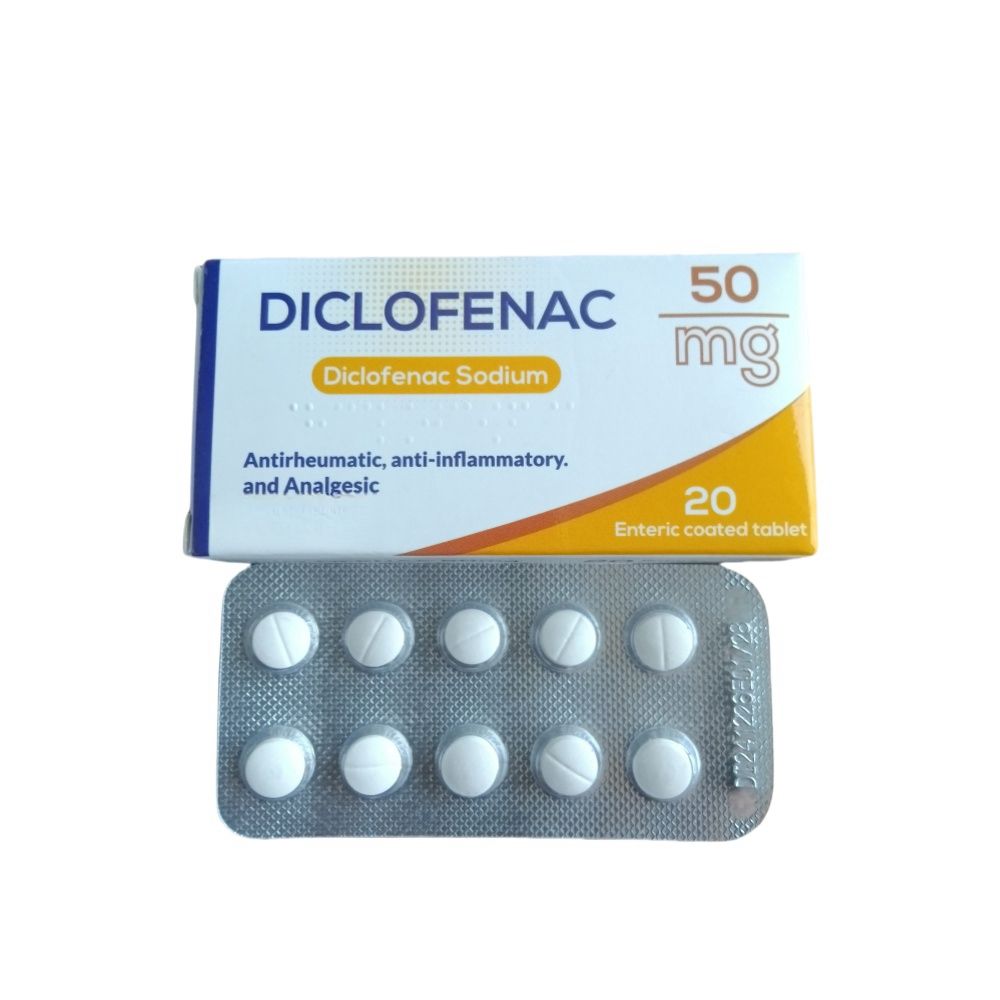
Diclofenac Sodium Tablet is commonly used to treat pain that does not last for long periods, as well as redness, swelling, and inflammation caused by several conditions including arthritis and menstrual cramps.
Diclofenac Sodium Tablet is also used to treat migraines.
Diclofenac tablet may also be used for other conditions as determined by your healthcare provider.
Diclofenac works by blocking certain substances in the body (prostaglandins) that cause pain and inflammation.
Dosage forms and strengths
Diclofenac Sodium Tablets should be stored at room temperature, between 20 ºC to 25 ºC. It can be exposed to temperatures between 15 ºC to 30 ºC for shorter periods of time, such as when transporting it. Store in a cool, dry place, away from moisture.
The most common side effects of diclofenac are listed below.
There may be other side effects of diclofenac that are not listed here. Contact your healthcare provider if you think you are having a side effect of a medicine.
While less common, the most serious side effects of diclofenac are described below, along with what to do if they happen.
Severe Allergic Reactions. Diclofenac can cause allergic reactions, including a specific type of allergic reaction called DRESS. DRESS stands for Drug Reaction with Eosinophilia and Systemic Symptoms. It is also sometimes called multiorgan hypersensitivity. This is a reaction that can affect multiple parts of the body, including your liver, kidneys, and heart. Stop taking the medicine and get help right away if you have any of the following symptoms of a serious allergic reaction.
Heart Attack and Stroke. Diclofenac can increase your risk of a heart attack or stroke that can lead to death. This risk is increased in people with existing heart disease and with longer use of diclofenac and higher doses. Do not take diclofenac if you have had a recent heart attack without talking to your healthcare provider. This could increase your risk of having another heart attack. Get emergency help if you have any of the following symptoms of a heart attack or stroke.
Stomach Bleeding. Diclofenac can increase your risk of bleeding, ulcers, and tears (perforation) in your gut. The risk is higher if you have a history of stomach ulcers, bleeding problems, take higher doses of diclofenac or take it for longer than directed, have poor health, are of older age, have liver disease, smoke, drink alcohol, or take certain other medicines. Stop taking diclofenac and get emergency help if you have any of the following symptoms.
Bleeding. Diclofenac can increase your risk of bleeding, especially if you have a bleeding disorder or take other medicines that increase your risk of bleeding. Tell your healthcare provider right away if you notice signs of bleeding including easy bruising or bleeding.
Anemia. Diclofenac may cause anemia, which is when you have low levels of red blood cells. Tell your healthcare provider if you have any of the following symptoms of anemia.
Liver Damage. Liver damage, also called hepatotoxicity, can happen when taking diclofenac. Stop taking diclofenac and call your healthcare provider right away if you have any of the following symptoms of liver damage.
Always tell your healthcare provider about any prescription or over-the-counter (OTC) medicines, vitamins/minerals, herbal products, and other supplements you are using.
In particular, make sure that you discuss if you are using any of the following before taking diclofenac.
This may not be a complete list of medicines that can interact with diclofenac. Always check with your healthcare provider.
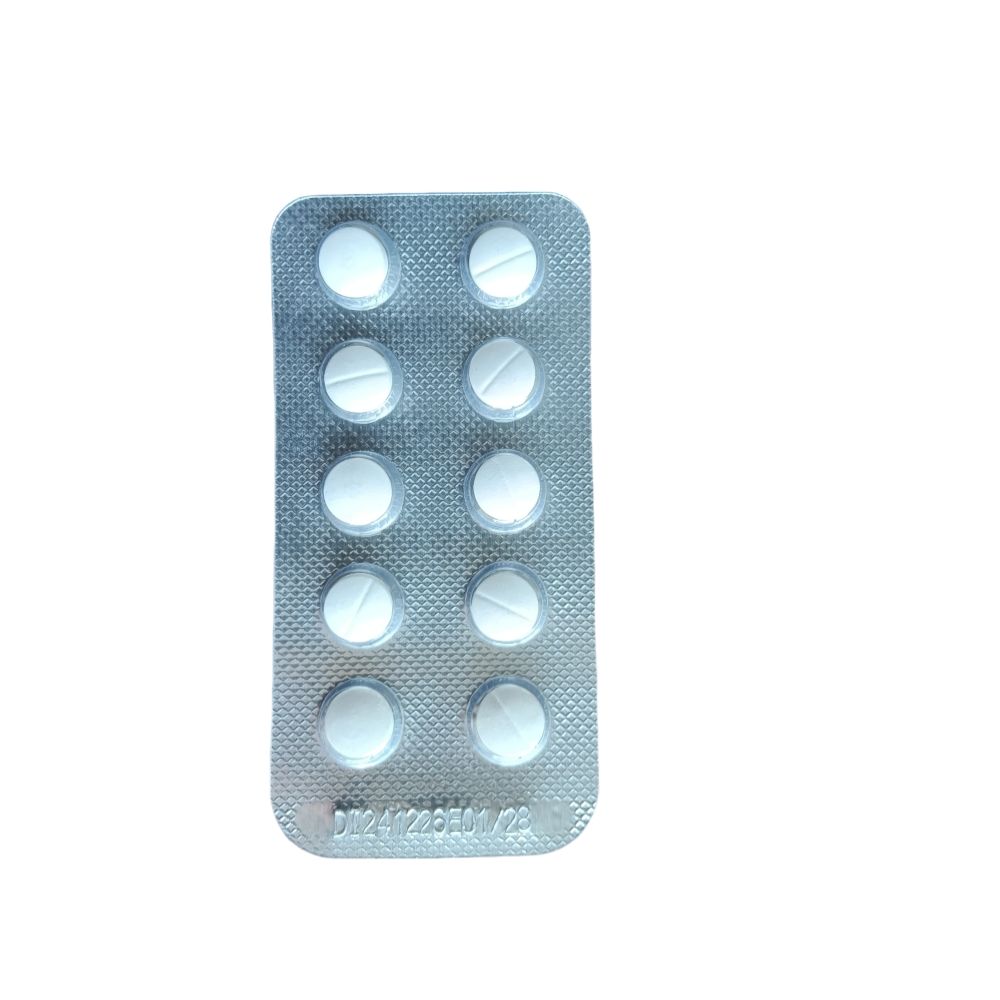
There are no known interactions between diclofenac capsules and tablets (including delayed-release and extended-release tablets) and foods or drinks. However, taking the diclofenac liquid (made from the powder) with food may reduce how well it works. Diclofenac liquid should be taken on an empty stomach. It is unknown if drinking alcohol will affect diclofenac, but both diclofenac and alcohol can increase your risk of bleeding. It is best to limit the amount of alcohol you drink.
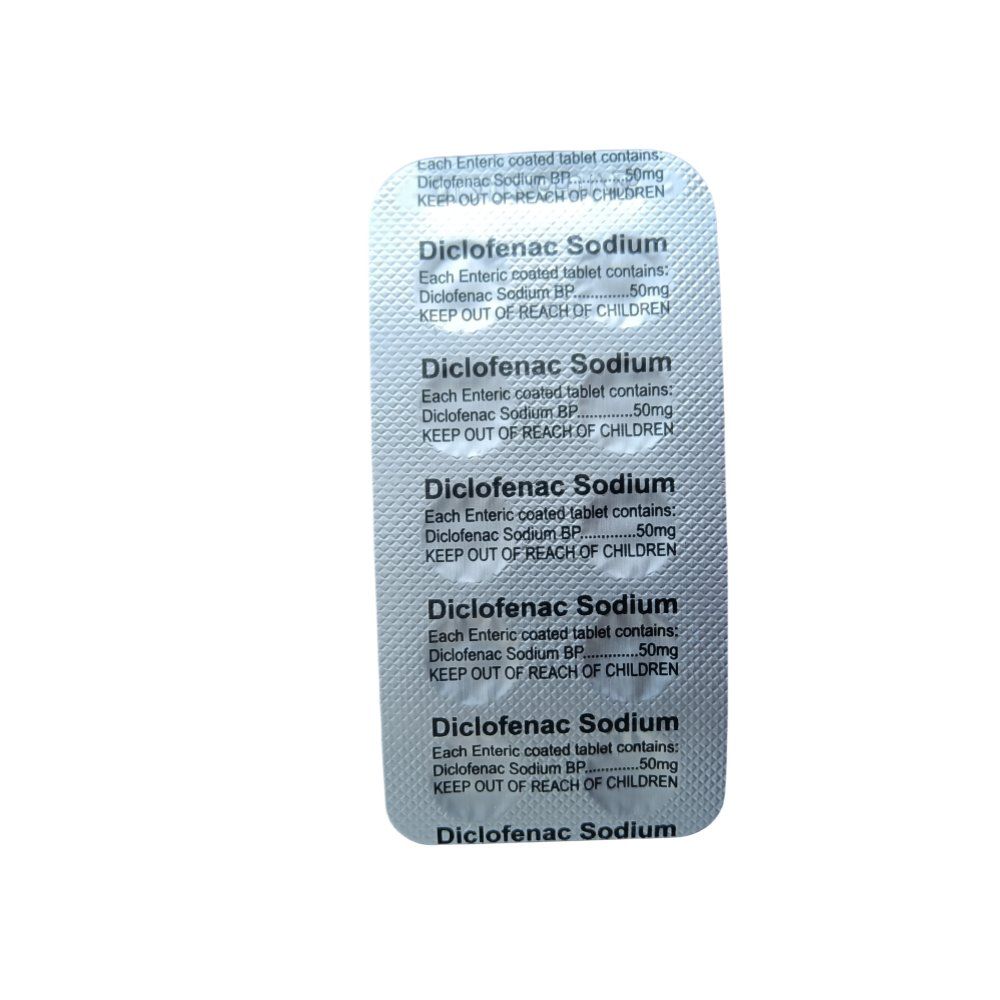
Tell your healthcare provider about all of your health conditions and any prescription or over-the-counter (OTC) medicines, vitamins/minerals, herbal products, and other supplements you are using. This will help them determine if diclofenac is right for you. Other Medicines and Supplements. Diclofenac may interact with other medicines and supplements. Before taking diclofenac, tell your healthcare provider about any prescription or over-the-counter (OTC) medicines, vitamins/minerals, herbal products, and other supplements you are using. See the Interactions section for more details. Pregnancy. Do not take diclofenac at 20 weeks or later in pregnancy without talking to your healthcare provider. Taking diclofenac during this time may cause harm to an unborn baby and complications during delivery. Tell your healthcare provider if you are or plan to become pregnant. Your healthcare provider will advise you if you should take diclofenac while you are pregnant or trying to get pregnant. Breastfeeding. Diclofenac passes into breast milk. Tell your healthcare provider if you are breastfeeding or plan to breastfeed. Your healthcare provider will advise you if you should take diclofenac while breastfeeding.
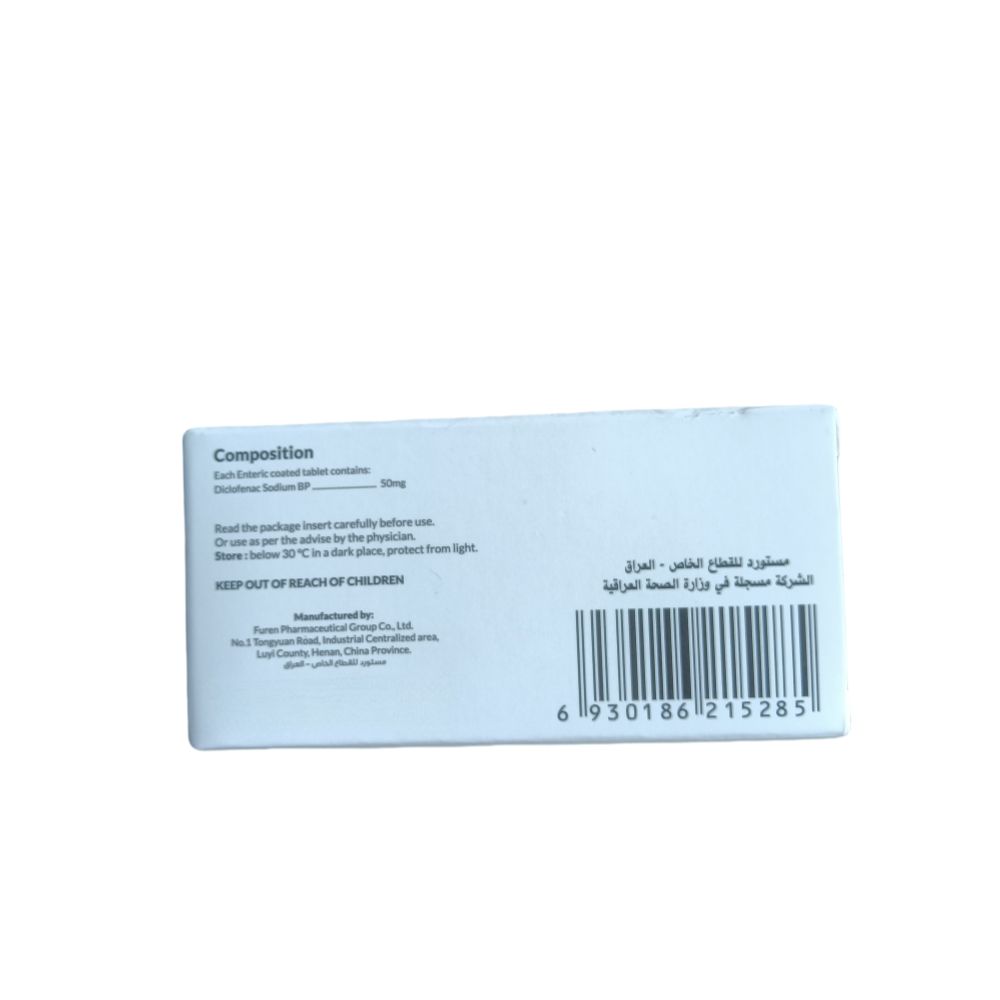
What should I know about diclofenac Sodium Tablet before using it? Do not take diclofenac unless it has been prescribed to you by a healthcare provider. Take it as prescribed. Do not share diclofenac with other people, even if they have the same condition as you. It may harm them. Keep diclofenac out of the reach of children. You should take diclofenac at the lowest effective dose and for the shortest amount of time to treat your condition in order to minimize side effects. See the Side Effects section for more details. People who are 65 and older can be at greater risk for some side effects from diclofenac. Talk to your healthcare provider about your risks if you are in this age group. Diclofenac can make your skin more sensitive to light from the sun, sunlamps, and tanning beds. This is called photosensitivity. Exposure to this light can cause severe sunburns, blisters, and swelling. If you need to be in sunlight, wear sunscreen, a hat, and clothing that covers your skin. If you get a sunburn, stop taking diclofenac and call your healthcare provider right away. If you are able to get pregnant, diclofenac may make this more difficult. These effects on fertility seem to be reversible. Talk to your healthcare provider if you have concerns about this.


