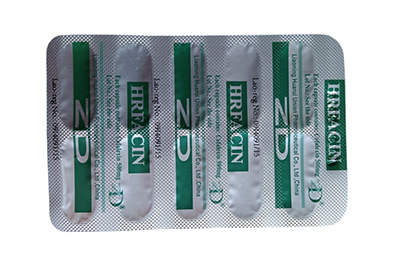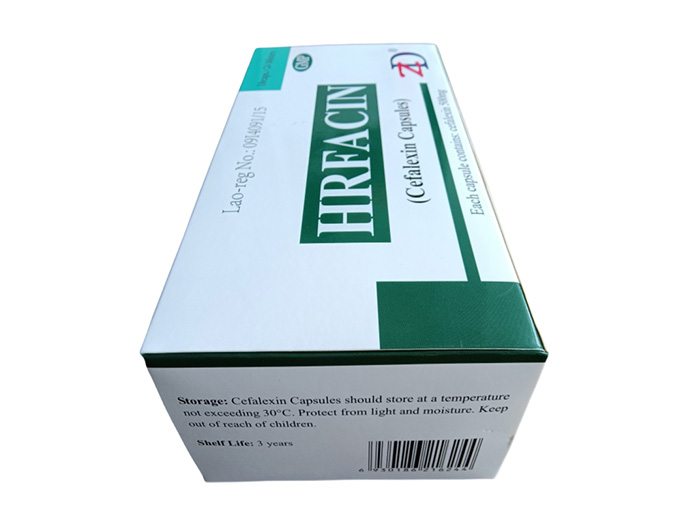
Generic name: Cefalexin Capsules 500mg
COMPOSITION
Each capsule contains Cefalexin monohydrate equivalent to Cefalexin 500 mg.
PHARMACOLOGICAL CLASSIFICATION
Cephalosporin.
PHARMACOLOGICAL ACTION
Cefalexin is bactericidal and has antimicrobial actilvity similar to that of cephaloridine or cephalothinagainst both gram-positive and gram-negative organisms.
Cefalexin is almost completely absorbed from the gastro-intestinal tract and produces peak plasmaconcentrations about 1 hour after administration. A dose of 500 mg produces a mean peak plasmaconcentration of about 18 microgram per ml, about the same as the concentration produced by anequal dose of cephaloridine given intramuscularly and greater than that produced by cephalothin. lfcefalexin is taken with food there is delayed and slightly reduced absorption and there may be delayedelimination from the plasma. About 10 to 15% of a dose is bound to plasma proteins.The biological half-life has been reported to rangefrom 0.6 to at least 1.2 hours and this increaseswith reduced renal function. About 80% or more of a dose is excreted unchanged in the urine in thefirst 6 hours by glomerular filtration and tubular secrelion; urinary concentrations greater than 1 mgper ml have been achieved after a dose of 500 mg, Probenecid delays urinary excretion and has beenreported to increase biliary excretion, Cefalexin is widely distributed in the body but does not enter thecerebrospinal fluid in significant quantities unless the meninges are inflamed. lt diffuses across theplacenta and small quantities are found in the milk of nursing mothers. Therapeutically effectiveconcentrations may be found in the bile.
INDICATIONS
Cefalexin Capsule is indicated in the treatment of |nfections caused by susceptible organisms.
CONTRAINDICATIONS
Cefalexin is contra-indicated in patients with known allergy to the cephalosporin group of antibiotics orin patients with acute porphyria.
WARNINGS
Care is necessary in treating patients known to be hypersensitive to penicilin or with known historiesof allergy. Reduced dosage is necessary in patients with impaired kidney function.The urine of patients taking cephalexin may give a false positive reaction for glucose withcopper-reduction reagents. Positive results to the coomb's test have been reported with cephalexin.
DOSAGE AND DIRECTIONS FOR USE
The usual adult dose is 250-500 mg every 6 hours and for children 25 to 50 mg per kg body massdaily in divided doses.
When high doses are required the use of a parenteral cephalosporin should be considered. in patientswith impaired kidney function smaller doses shoule be employed: with creatinine clearances of 5, 20and 50 mL per minute, daly doses should not exceed 0.5, 1.5 and 3 g respectively and 8, 25 and50 mg per kg respectively in children.
Side-effects include nausea, vomiting, diarrhoea and abdominal discomfort. Skin rashes occur inabout 1% of patients treated with cephalexin and rises in serum transaminases have been notedEosinophilia and neutropenia have occurred in a few patients. Supra-infection with resistantmicro-organisms, particularly Candida, may follow treatment.
Interactions
Cefalexin should be given cautiously to patients who have shown hypersensitivity to other drugsCephalosporins should be given with caution to penicilin-sensitive patients, as there is someevidence of partial cross-allergenicity between the penicilins and the cephalosporins. Patients havehad severe reactions (including anaphylaxis) to both drugs.Probenecid causes reduced excretion of cefalexin leading to increased plasma concentrationsCephalosporins may have an increased risk of nephrotoxicity in the presence of amphotericin, loop diuretics, aminoglycosides, capreomycin or vancomycin.
Pregnancy and lactation
Although laboratory and clinical studies have shown no evidence of teratogenicity, caution should beexercised when prescribing for the pregnant patient, Low concentrations of cefalexin are excreted inbreast milk.
Following a 500mg dose, levels of 4 micrograms/mil were detected up to 4 hours after administrationNo drug being detected after 8 hours, Cefalexin should be given to the nursing mother with caution,possible effects to the infant include modification of bowel flora.
KNOWN SYMPTOMS OF OVERDOSAGE AND PARTICULARS OF ITS TREATMENT
Symptoms of overdosage may include nausea, vomiting, epigastric distress and haematuria.Treatment of overdosage: Serum levels can be considerably reduced by haemodialysis or peritonealdialysis.
In the event of severe overdosage, general supporive care is recommended including close clinicaland laboratory monitoring of haematological, renal and hepatic functions and coagulation status untilthe patient is stable.
Unless 5 - 10 times the normal total daily dose has been ingested, gastro-intestinal decontaminationshould not be necessary.
There have been reports of haematuria without impaiment of renal function in children accidentallyingesting more than 3.5g of cefalexin in a day. Treatment has been supportive (fluids) and nosequelae have been reported.
SPECIFICATIONS AND PRESENTATION
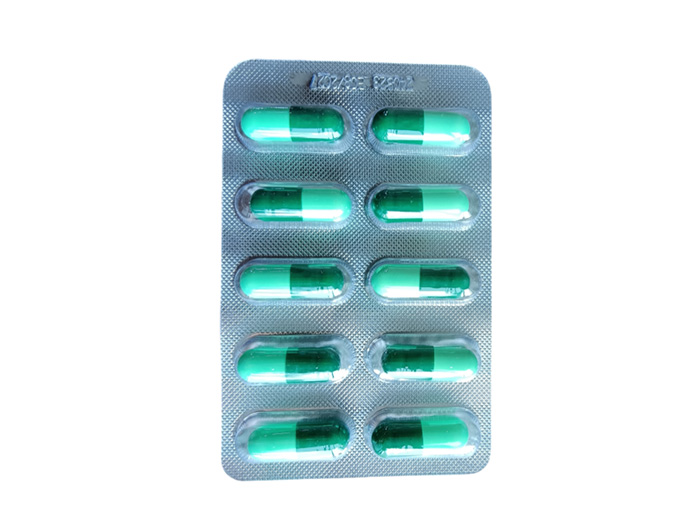
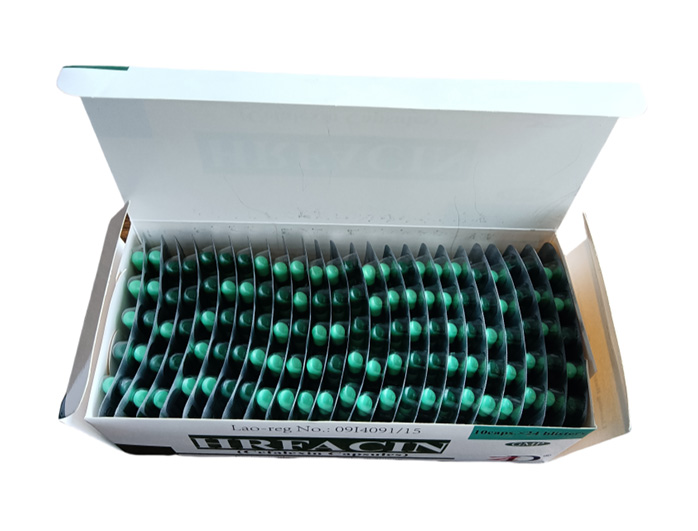
500mg,10 capsules/ Blister, 24 Blisters/Box
STORAGE INSTRUCTIONS AND SHELF LIFE
Cefalexin Capsules should store at a temperature not exceeding 30°CProtect from light and moisture. Keep out of reach of children.Shelf life: 3 years.